
Financial services
Calls, email and chats, kept as the rules ask
Banks, insurers and lenders keep advice calls, email and documents for years, and a supervisor, an auditor or a court may ask for them at any time. EMA archives them as they arrive, signed and unchanged, and opens them only the way your rules allow.
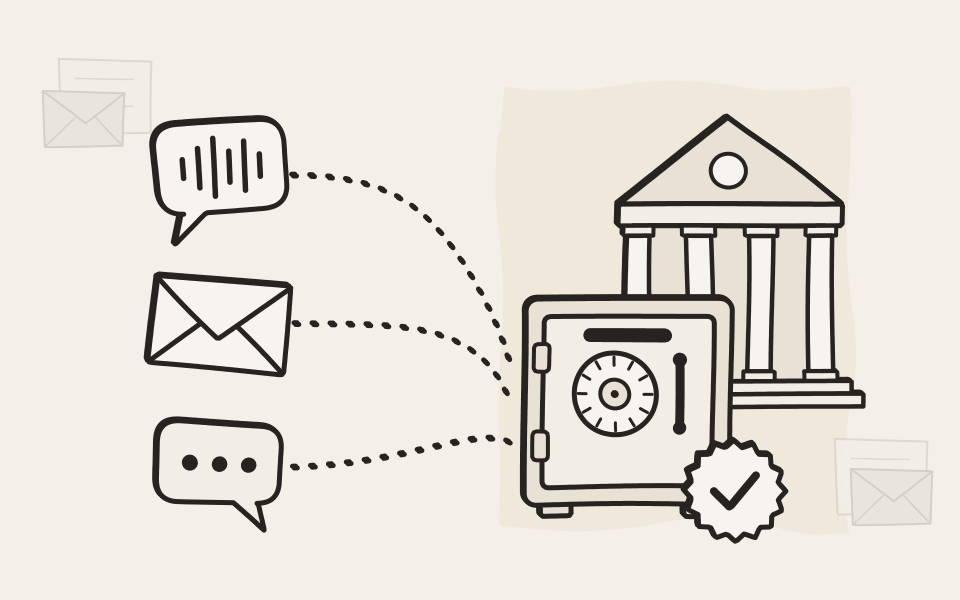
Banks and insurers that keep their records in EMA




Hundreds of offices, nothing filed by hand
At SV SparkassenVersicherung, staff used to file email in the file system by hand, and nobody could search it. Today EMA archives every incoming and outgoing email of around 5,000 people, in the head office, five branches and around 400 offices, in one central archive, without anyone doing anything. EMA was ready for work in less than one working day, connected to the existing LDAP directory.
Read the SV SparkassenVersicherung story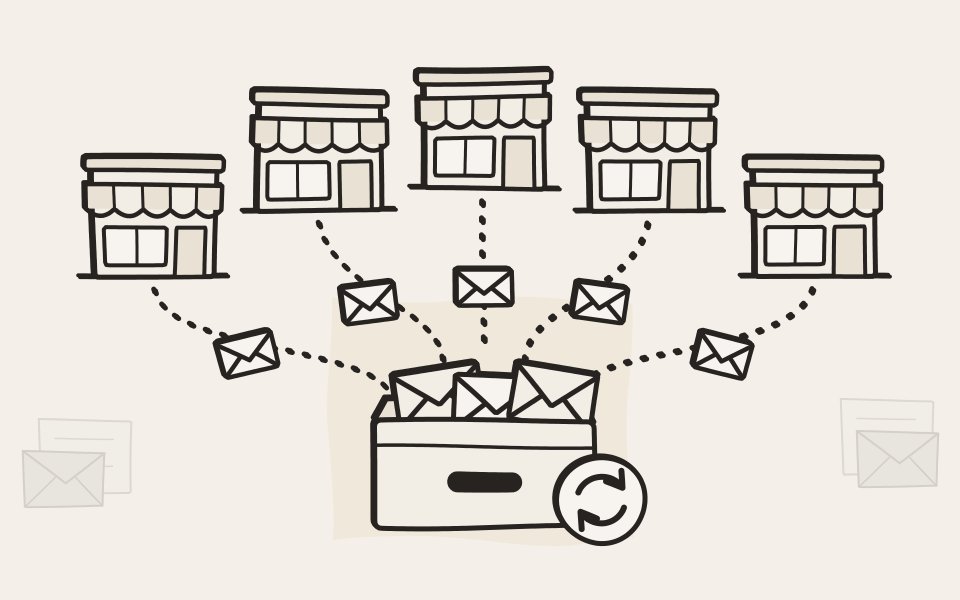
Advice and order calls, kept with the consent
Under MiFID II, investment firms record calls that relate to client orders, keep them for five years, up to seven if the supervisor asks, and then delete them. EMA Voice records these calls where your staff already take them. It can tell the caller first, ask for consent and keep the answer with the recording. Each call is archived as signed, searchable audio next to the email about the same order, and a deletion policy removes it when its period has run out.
See EMA Voice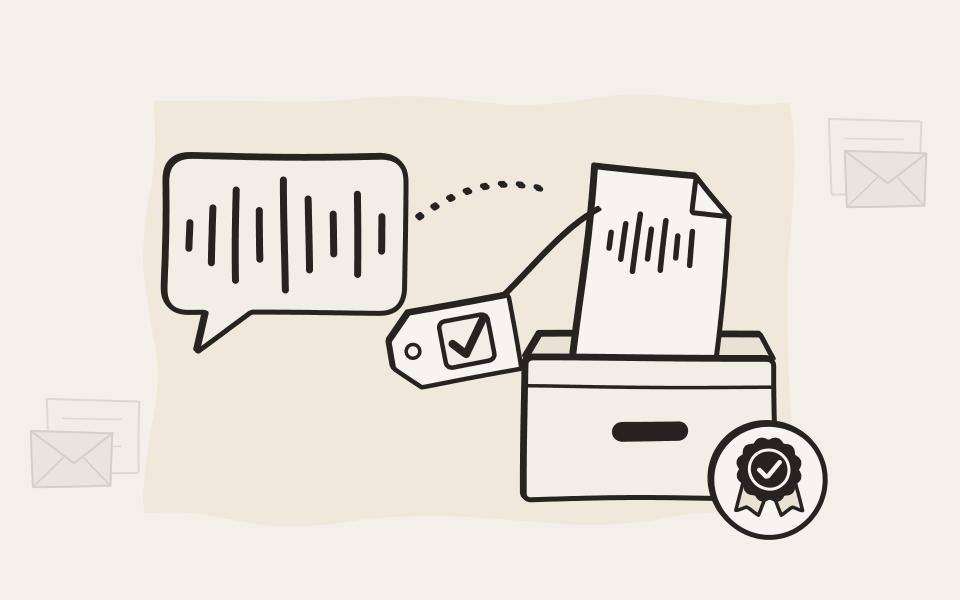
The works council has a say
At SV, the works council was part of the project from the first day. Email to and from works council members, company doctors and addiction advisers is not archived. If a third party needs access, for an audit or after a court order, a works council member and the data protection officer each enter their own password before the archive opens.
Who sees what in EMA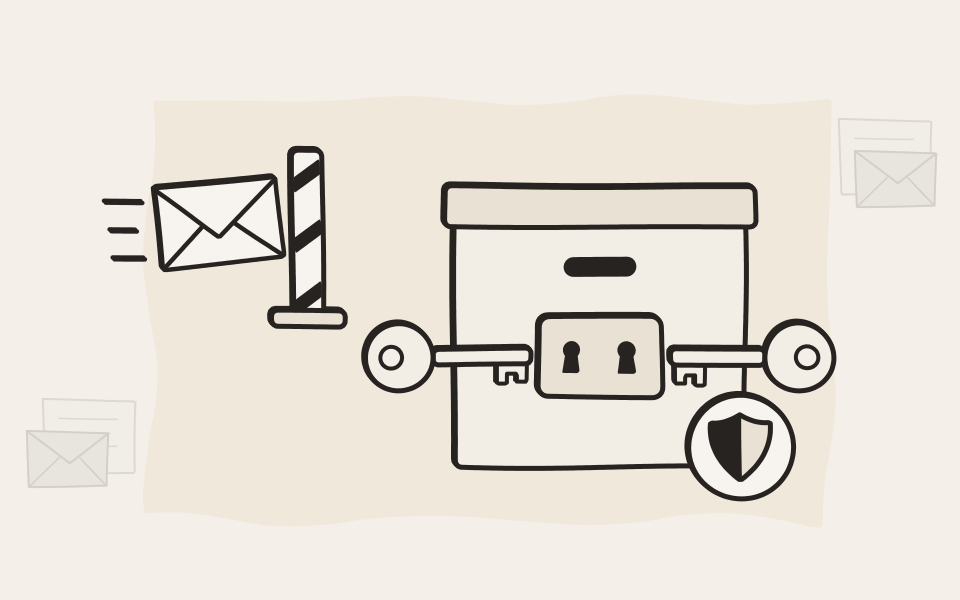
A supervisor or a court asks for the records
Community Loans of America used to merge search results from three mail systems by hand, and some answers took weeks. Today more than 60 terabytes of email sit in one EMA. A case collects what a request covers and protects it from deletion, every search and export goes into the Audit Log, and each email still carries the signature it got on the day it arrived.
eDiscovery and legal hold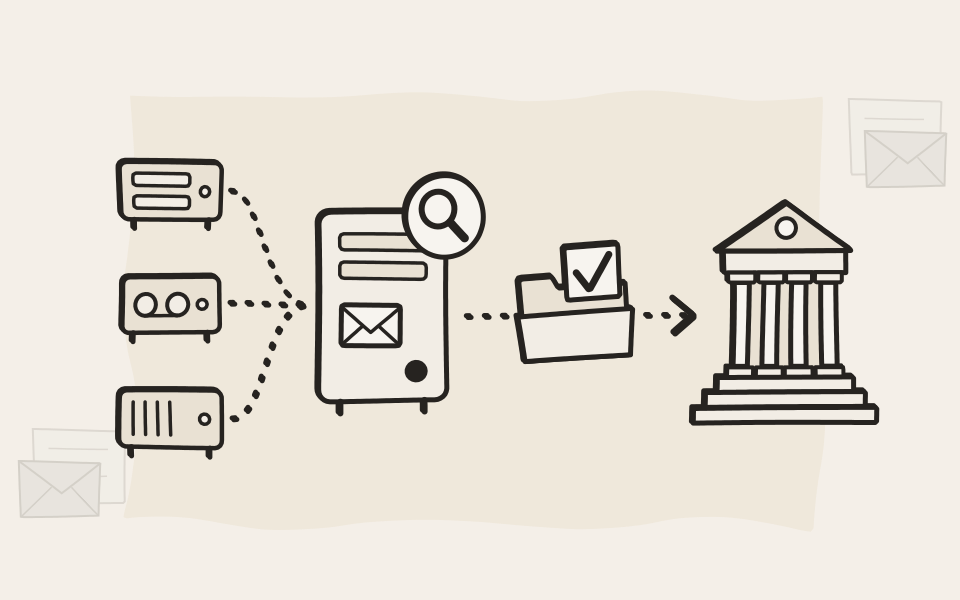
Systems fail, business goes on
DORA asks banks, insurers and investment firms to keep working through IT failures and attacks. The archive can be one part of that. A Hot Standby EMA stays nearly in step with the first one and takes over if it fails, and WAN synchronisation keeps the EMAs at your sites in step. Community Loans of America runs both. On your own premises, VSTOR Vault keeps the archive on storage that only EMA can write to.
Deployment options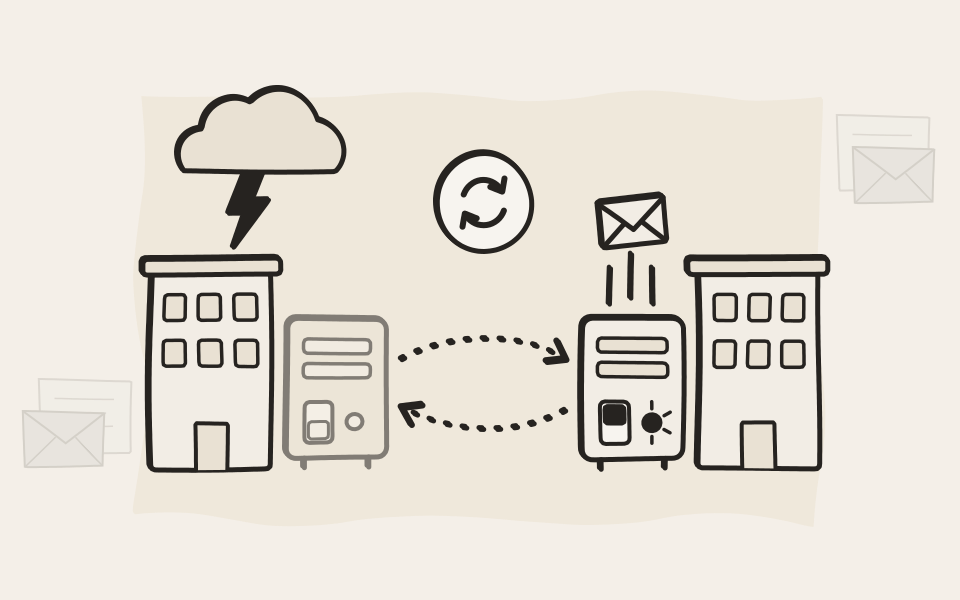
The speed of searches in particular is a real game changer for us. Because EMA is integrated into the systems we already use, it is also very simple and easy to use. So our goal is for the legal department to run some searches on its own in future, which will take more work off us and make our processes even leaner.

Case studies
Banks, insurers and lenders using EMA
Questions from financial services
Does EMA make us DORA compliant?
No product can do that for you, but EMA covers real parts of the work. Every record is signed and time-stamped when it arrives, stored encrypted, every access is logged, and a Hot Standby EMA takes over if the first one fails. Your ICT risk framework and your DORA duties stay your own, and EMA is one building block in them.
How long do we have to keep records?
Commercial, tax and supervisory law set the periods, often six to ten years. In Germany, banks, insurers and investment firms keep books and accounting vouchers for ten years, and business letters for six; the cut to eight years does not apply to them. Calls under MiFID II are kept for five years, up to seven if the supervisor asks, and then deleted. In EMA you set a minimum retention period per kind of record, and nothing younger can be deleted by anyone.
Does our works council have to agree?
In Germany, an archive of staff email and calls usually needs the works council's agreement, so involve it early. SV SparkassenVersicherung did that from the first day. EMA gives you the rules to agree on: what is not archived at all, which admins may search what, two people from two groups for every opening, and an Audit Log that shows each step.
Can BaFin or our auditors search the archive themselves?
Yes, if you want them to, and only what you allow. Supervisors such as BaFin can ask for records and communications during audits and investigations. Save a search for what they cover and give them a read-only account that sees nothing else, or export the records yourself. Every search, sign-in and export goes into the Audit Log.
Do callers have to agree to be recorded?
MiFID II asks you to tell clients in advance that calls are recorded. EMA Voice can do more: play your notice, ask for consent, keep the answer with the recording, and end the call if the caller declines, if you want it to. Which rule applies to which line is your choice, per scenario.
A customer asks us to delete their data. What happens?
Where the law requires you to keep a record, a request for erasure does not override that duty, so those records stay until their period runs out. One search finds everything else you hold about the customer, and only the admins you allow can delete it, two together if you wish. Every deletion goes into the Audit Log.
Where is our data kept?
On your own premises. EMA runs in your own server room, on your own storage or on VSTOR Vault, storage that only EMA can write to. A Hot Standby EMA at a second site keeps a copy in step, and you decide who may open what.

Bring your supervisor's questions
Tell us which rules you answer to, from DORA to your retention periods, and which mail, phone and chat systems you run. We'll show you in a demo how EMA covers them.