
Energy and utilities
Every reading, log and contract, kept
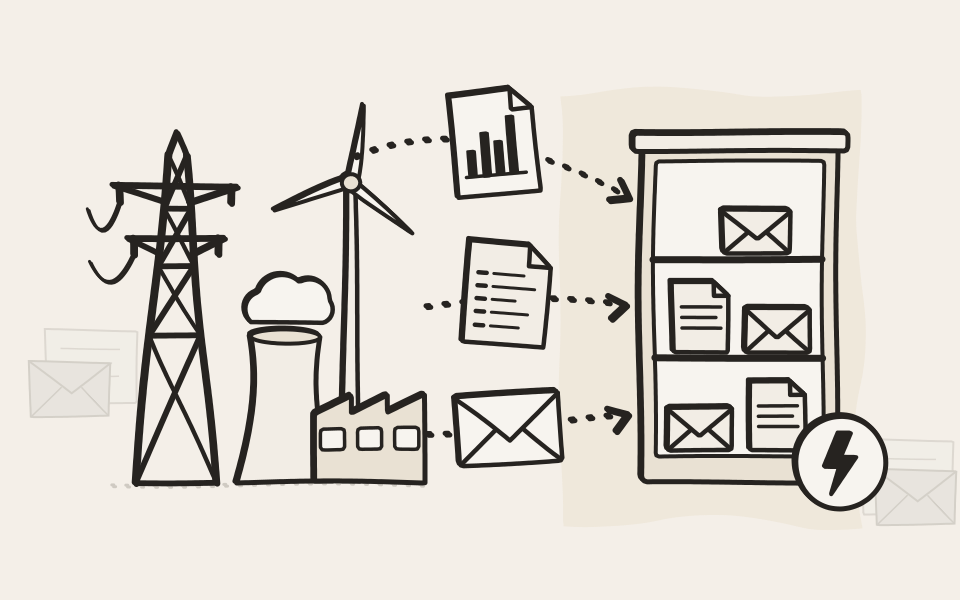
Power companies produce records around the clock: meter readings, emissions data, control-system logs, plant documents, contracts and bills. EMA takes them in from whatever system makes them, keeps each one unchanged for as long as the rules ask, and finds it again in one search.
Utilities that keep their records in EMA



Measurements, kept as long as the rules ask
Emissions trading rules make plant operators keep monitoring data and reports for at least ten years, and measurement reports for large combustion plants are kept for five. Your emission monitoring system can hand those files straight to EMA through the System API. Meter readings work the other way round: they are personal data, and German law says when they must be deleted, often after three years. EMA keeps each kind of record for its own period and deletes on schedule.
Keep and delete by the rules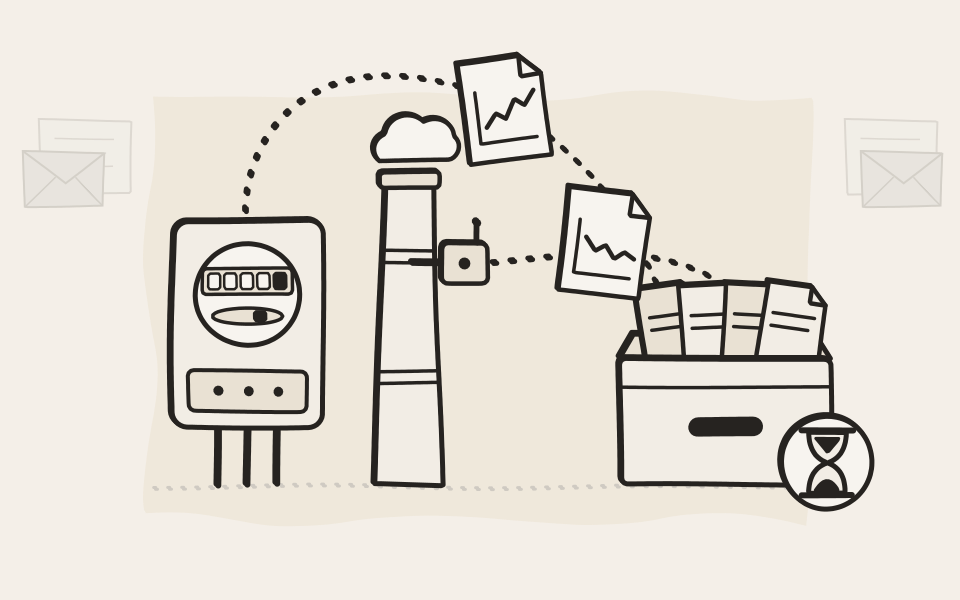
The control system's logs, in the archive
Control systems, historians and trading platforms produce exports, reports and logs every day. Whatever system makes them, it can hand them to EMA through the System API, tagged with the plant, the asset or the date. Each file is signed and time-stamped on arrival, so after an incident you can show what the log said at the time. Grid operators report every supply interruption to the Bundesnetzagentur each year, and the records behind each entry stay together.
See the EMA APIs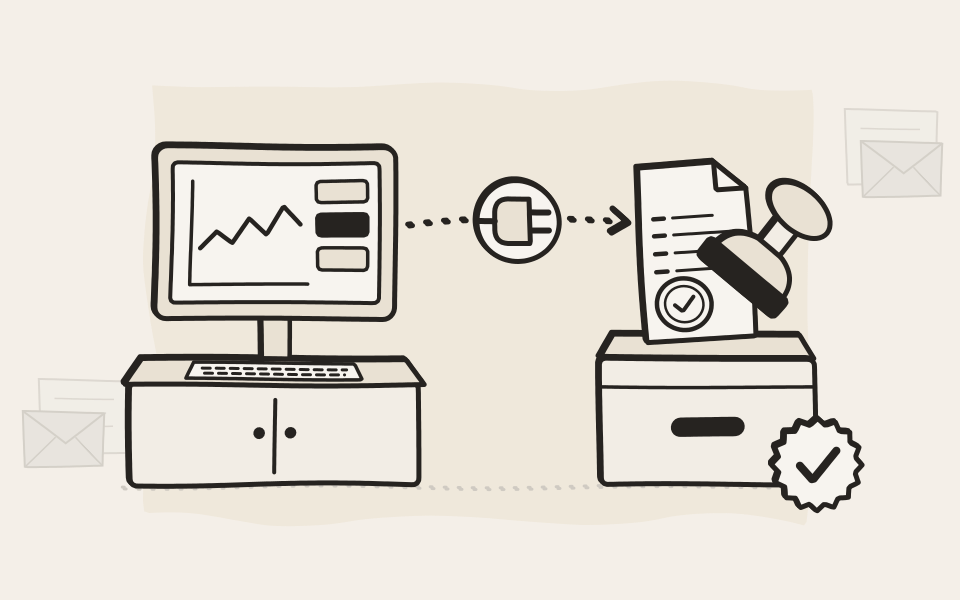
Plant documentation, for decades
A power plant runs for decades, and so does its paperwork. Nuclear plant documentation is kept for the life of the plant and dose records for decades, and Germany's plants are now being dismantled, which takes ten to twenty years. EMA File keeps drawings and reports from your file shares, EMA Scan brings old paper drawings in, and everything stays readable and unchanged, on your own servers and even with no network connection at all.
See EMA File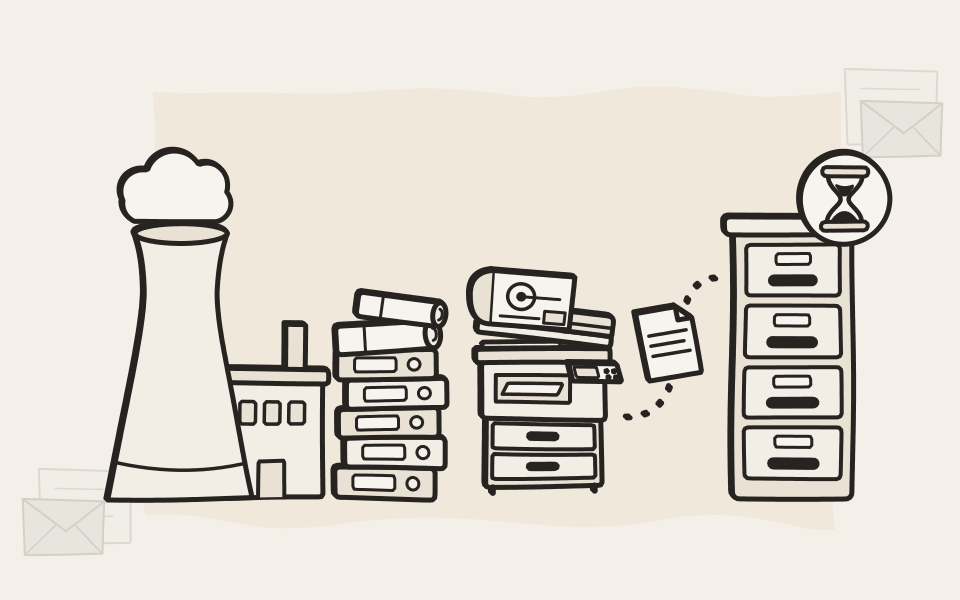
Contracts, bills and customer mail
Supply contracts, bills and customer letters are kept for six to ten years under commercial and tax law, and should then go. Whatever your billing system prints goes to EMA Print and is archived as a searchable PDF, filed by its bill number. Customer mail and scanned letters land in the same archive, and a customer service agent finds everything about one customer in one search.
See EMA Print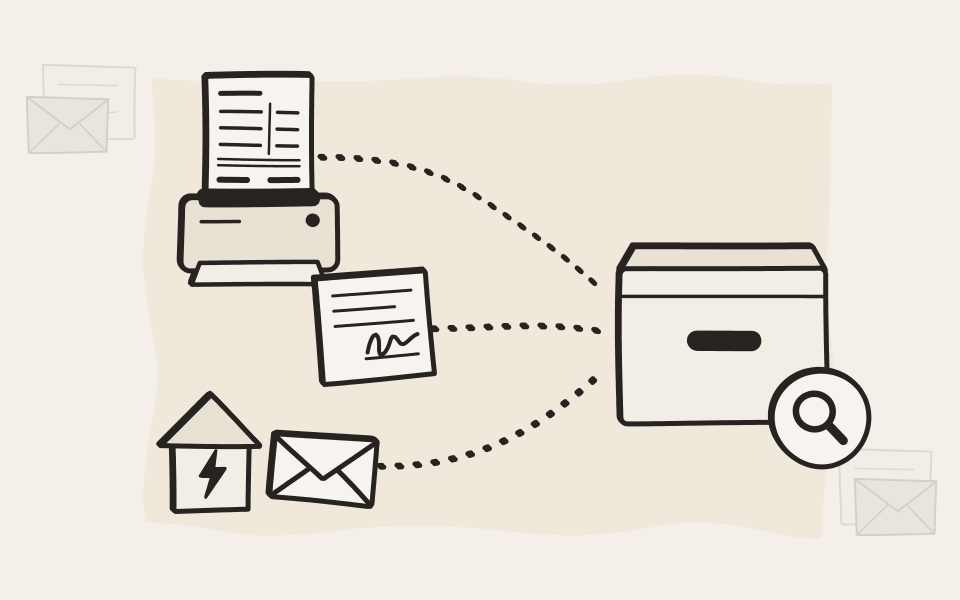
Critical infrastructure stays up
Energy companies are critical infrastructure. Under NIS2 and the German IT security catalogue they must protect their systems and be able to show what happened in an incident. EMA keeps a signed, logged record of communication and system exports. It runs on your own premises, air-gapped if you need it, and a Hot Standby EMA takes over if the first one fails.
Deployment options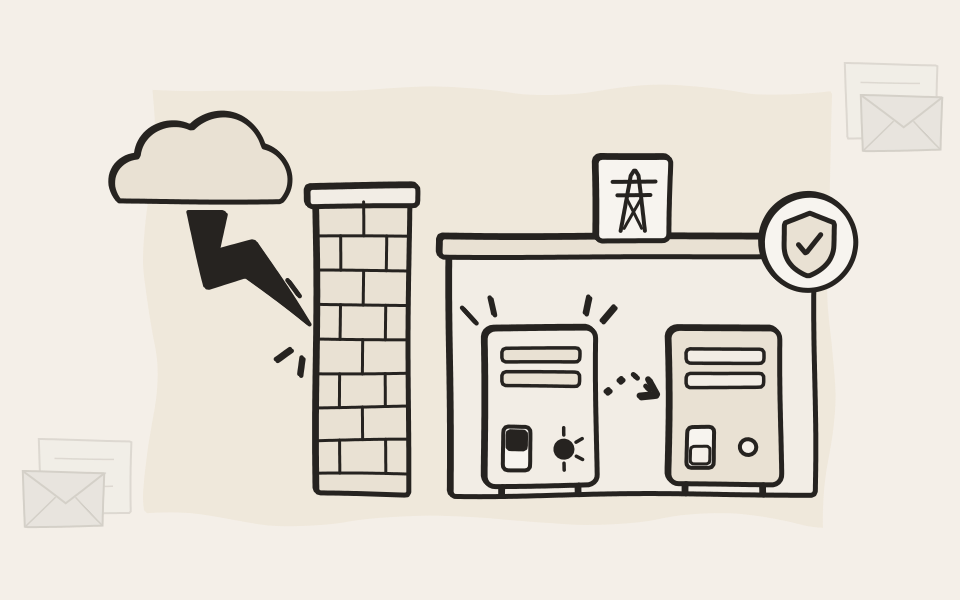
Questions from energy companies
Which systems can send their records to EMA?
Any system that can send a file over HTTPS, or print. Control systems, historians, emission monitoring, metering and billing systems hand their exports to EMA through the System API, up to about 300 MB per file, larger ones through EMA File. A partner can connect them for you; the API reference comes with every EMA.
Do energy traders have to keep records?
Yes. Energy traders and suppliers must be able to show regulators what they traded, and in Germany suppliers keep transaction details for five years. Where a trading firm is an investment firm under MiFID II, it also records order-related calls and keeps them for five years. EMA keeps trade confirmations, mail, exports and EMA Voice recordings together.
How long do we keep meter readings?
Only as long as the law allows. Meter readings are personal data, and German law says when they must be deleted, often after three years, while bills and accounting records stay for eight to ten years. In EMA you set a period per kind of record, a minimum retention so nothing goes early, and deletion policies so nothing stays too long.
We run wind and solar parks. Is EMA for us too?
Yes. Wind and solar operators exchange settlement data with grid operators every year. EMA keeps these exchanges, the contracts behind them and the mail around them, for as long as your accounting rules require.
Can EMA run with no internet connection?
Yes. An air-gapped EMA On-Premise Classic runs with no connection at all: updates arrive offline, and a signing service on your premises signs every document.
Does EMA make us NIS2 compliant?
No product does that on its own, but EMA covers real parts of the work: every record is signed and time-stamped when it arrives, every access is logged, and a Hot Standby EMA takes over if the first one fails. Your security framework stays your own.
Is EMA priced per user?
No. There is no licence per user and no limit on mailboxes or documents. You pay for the modules you need, on premises and in EMA Cloud alike.

Bring your systems list
Tell us which control, metering, billing and trading systems produce your records. We'll show you in a demo how they reach EMA and how you find them again.