
Insurance
Every piece of a claim, in one place
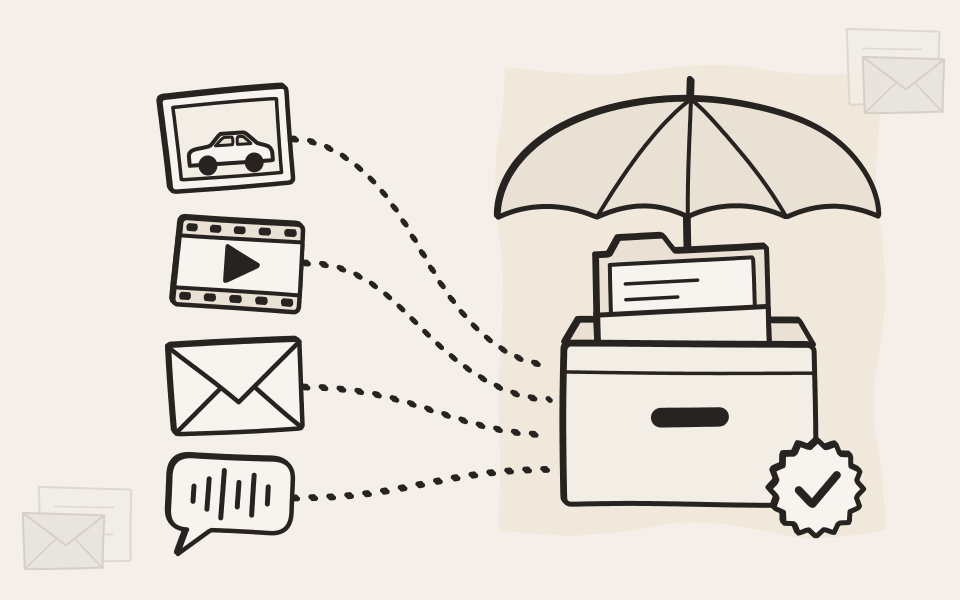
Photos from the scene, dashcam footage, the first call, the broker's email, the repair estimate on paper. EMA takes them in from wherever they arrive, tags them with the claim and keeps them unchanged. Your adjusters open all of it from the claims system with one click.
Insurers that keep their records in EMA





The claim comes in through your portal
A customer reports damage on your website or in your app and uploads photos, videos, dashcam footage and the repair estimate. Your portal hands each file to EMA through the System API and tags it with the claim number. EMA keeps it as it was uploaded and signs it with a time stamp on arrival, so you can show later that nobody has changed it since.
The System API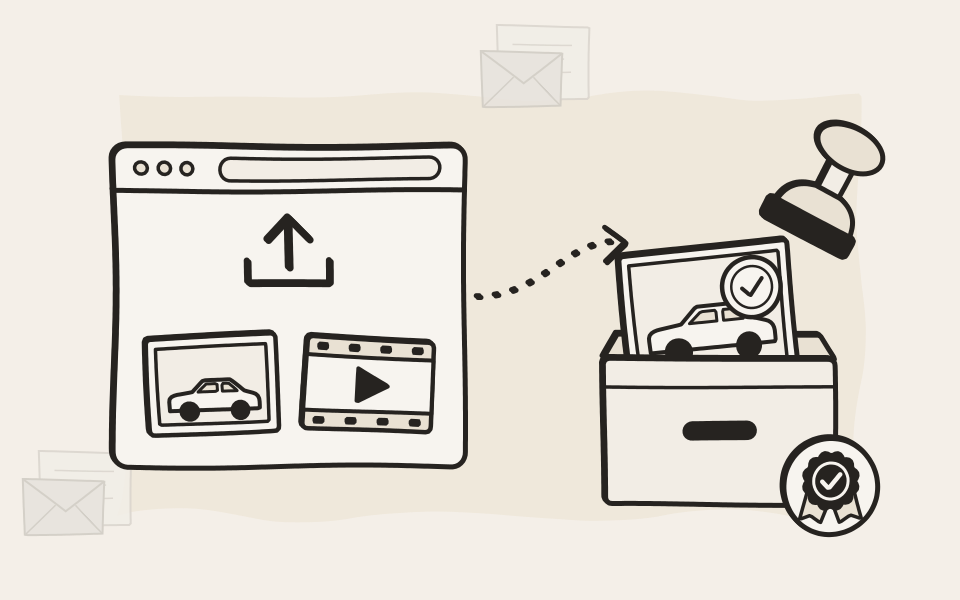
The adjuster opens everything with one click
A SMART Link in your claims system, CRM or ticket tool runs a saved search for the claim number. One click, and the adjuster sees every email, photo, scan and call about that claim, with previews and downloads. Single sign-on means no extra password, and everyone sees only what their own permissions allow.
How SMART Link works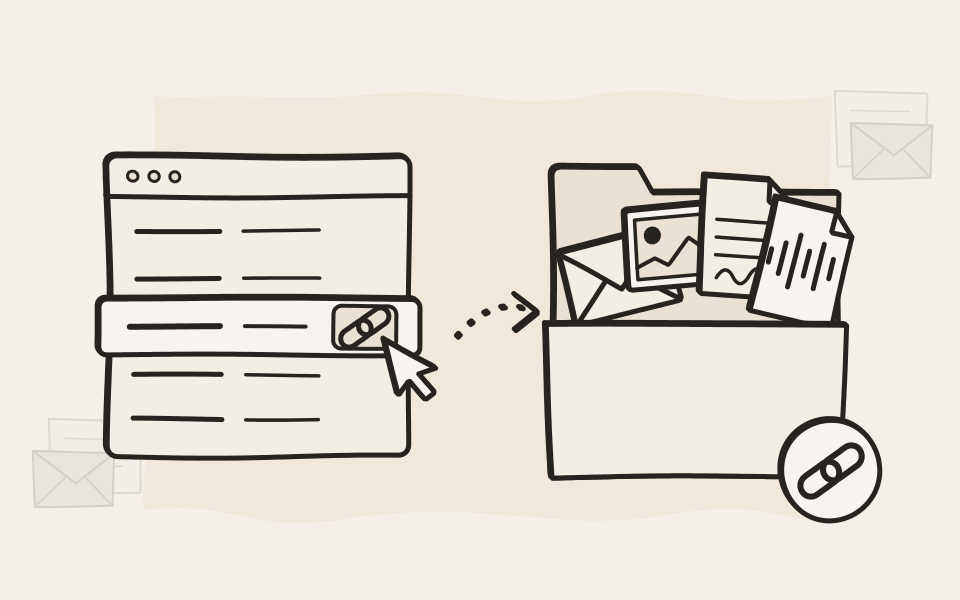
Every way a claim arrives, one archive
The first notice of loss by phone goes through EMA Voice, which asks the caller for consent before it records. On its way in, email from customers and brokers passes through a script that finds the claim number and tags the message. Paper claim forms go through EMA Scan, where AI can suggest the subject and fill in the claim number for you. All of it lands in one archive, under the same claim.
See the EMA modules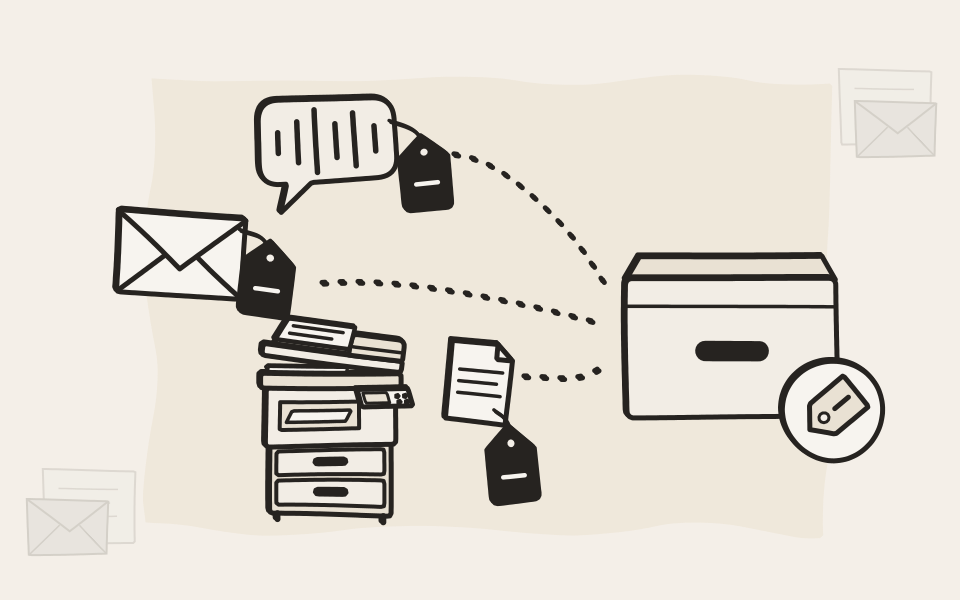
The right claim number, every time
A typo in a claim number files a document where nobody will look. When someone tags a document, EMA can ask your claims system whether that number exists, through the attribute validation webhook. A wrong one is rejected before it is saved. Field adjusters can upload photos from the site through an app on the User API, which acts as that adjuster and sees only what they may see.
The User API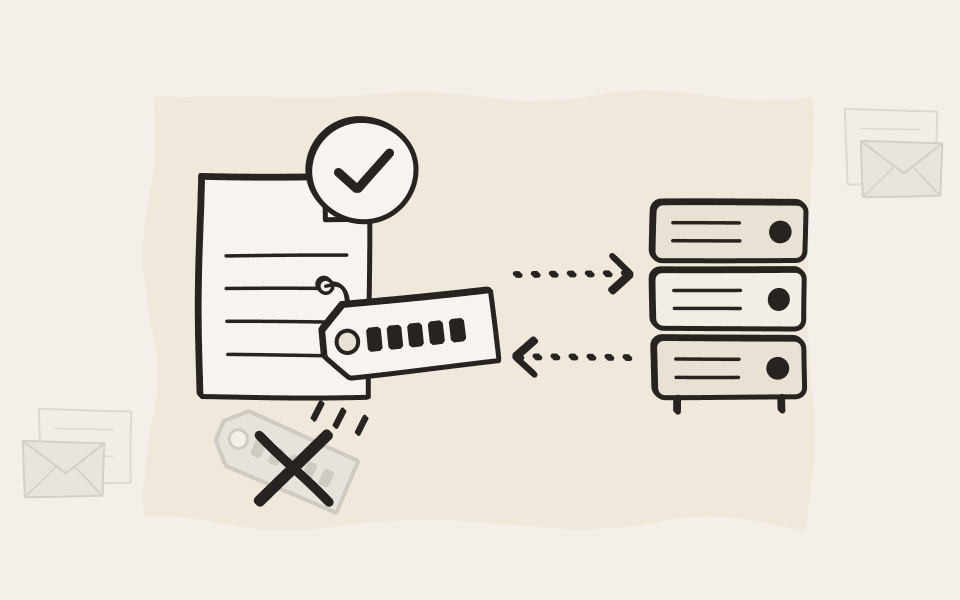
A claim ends up in court
When a claim is disputed, a case collects its records, from the first photo to the last email, and protects them from deletion while it is open. Every search and export goes into the Audit Log. Photos, videos and documents go to the court as the originals, each with the signature it got on the day it arrived.
eDiscovery and legal hold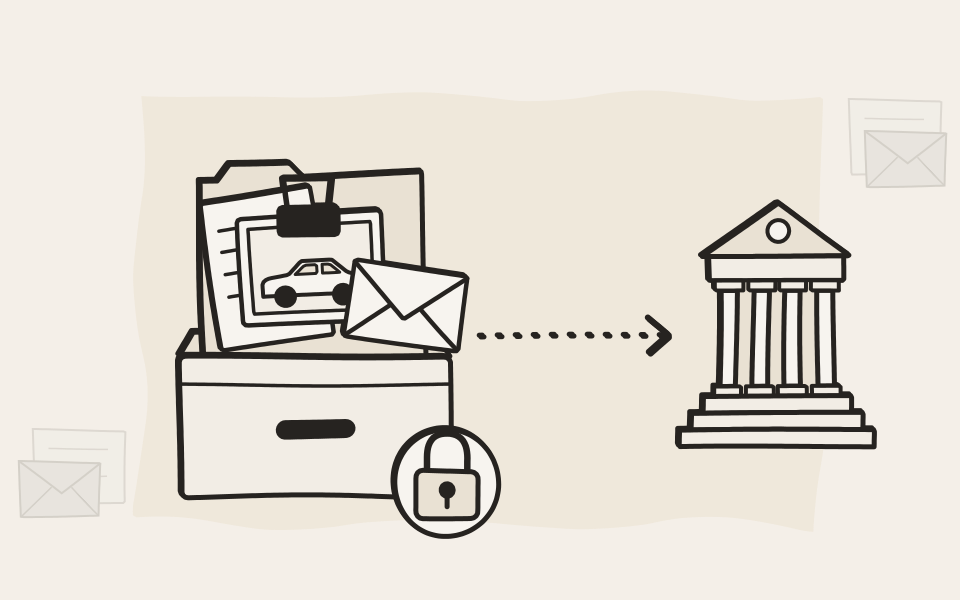
We had drawn up a few criteria beforehand. ARTEC's EMA came out best on value for money, scalability and ease of use. It also mattered to us that the archive server could be connected to our existing LDAP directory, to make user management simpler. And the performance of the mail applications was not to suffer.

Questions from insurers
Which claims systems does EMA work with?
Any system that can open a link or send a file over HTTPS. SMART Link works from claims systems, CRMs and ticket tools such as Salesforce, Dynamics 365 or ServiceNow, and even from an Excel sheet. Portals and apps send files through the System API. The API reference, with request examples and a .NET SDK, comes with every EMA.
Do we need our own developers?
Not necessarily. Many insurers have a partner connect the portal, the claims system and EMA for them. If your own team builds it, everything they need is documented inside EMA.
Can EMA take long videos and big photo sets?
Yes. Through the System API a single file can be up to about 300 MB, which covers phone videos and dashcam clips. Larger files, such as long recordings, go in through EMA File. With Single Instancing on, identical content is stored only once, so a photo sent by the customer and the broker takes no extra space.
Does the signature prove that a dashcam clip is genuine?
It proves something just as useful in a dispute: that the clip is exactly the file you received, unchanged since the day it arrived. Whether the footage itself shows what happened is still for your adjusters and experts to judge. Footage often shows other people too, so set a deletion policy that removes it once its period has run out.
We are a health or life insurer. Who can see the records?
Only who you allow. Health information is among the most sensitive data an insurer holds, and your state's insurance regulation can set rules for how you protect it. In EMA, everyone sees their own archive and what is delegated to them, an admin search or export can need two admins together, and every search, export and deletion goes into the Audit Log.
How long do we have to keep claims files?
No single law sets it. Insurance is regulated by the states, and any rules on claims records differ from state to state. Tax rules apply to the accounting side, and limitation periods for lawsuits matter too. In EMA you set a minimum retention period per kind of record, and deletion policies remove records whose retention period has ended, so the yearly deletion review is quick.
Does 23 NYCRR Part 500 apply to us, and how does EMA help?
It does if you hold a license under New York's Insurance, Banking or Financial Services Law; otherwise, look to your own state's insurance regulation. No product makes you compliant, but EMA covers real parts of the work. Every record is signed when it arrives and stored encrypted, every access is logged, and a Hot Standby EMA takes over if the first one fails. Your cybersecurity program stays your own.
Where is our data kept?
On your own premises. EMA runs in your own server room, on your own storage or on VSTOR Vault, storage that only EMA can write to. A Hot Standby EMA at a second site keeps a copy in sync, and you decide who may open what.

Bring your claims process
Show us how a claim travels through your portals, phone lines, mailboxes and claims system. We'll show you in a demo where EMA picks up each piece and how your adjusters find it again.