
Legal and tax
Client files that stay with the matter
Law firms, CPA firms and tax firms live on mail, scans and deadlines, and every page is confidential. EMA keeps all of it in one archive, opened only by the people on the matter, and finds the whole matter with one search.
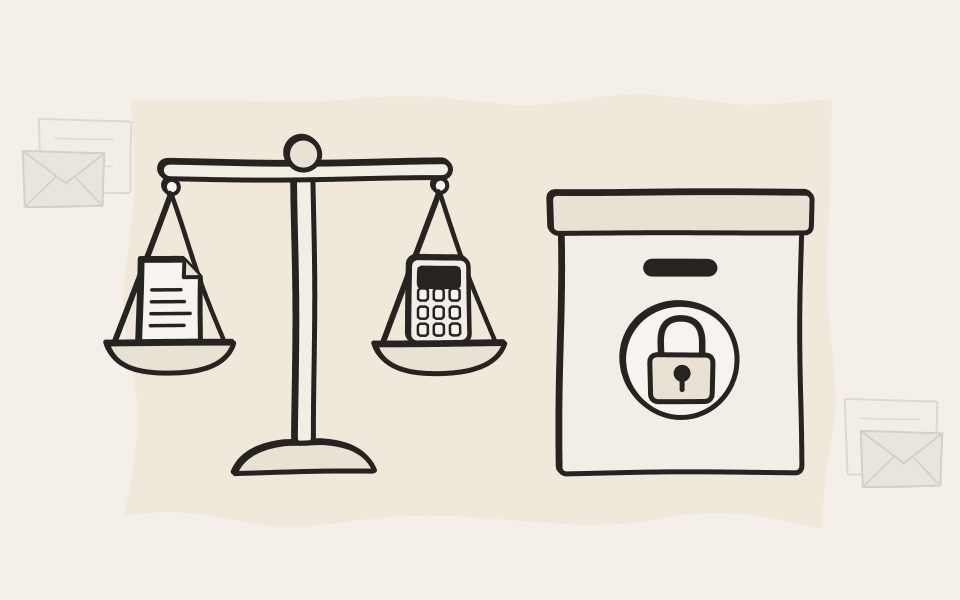
Client confidentiality, built into access
Client files at law firms, CPA firms and tax firms are confidential, and ABA Model Rule 1.6(c) asks lawyers for reasonable efforts against unauthorized access (your state's version applies). In EMA, everyone sees their own archive and what is delegated to them, so a matter stays with the people working on it. Searching, opening and exporting other people's mail can each need two admins from two groups together, and every access goes into the Audit Log.
Who sees what in EMA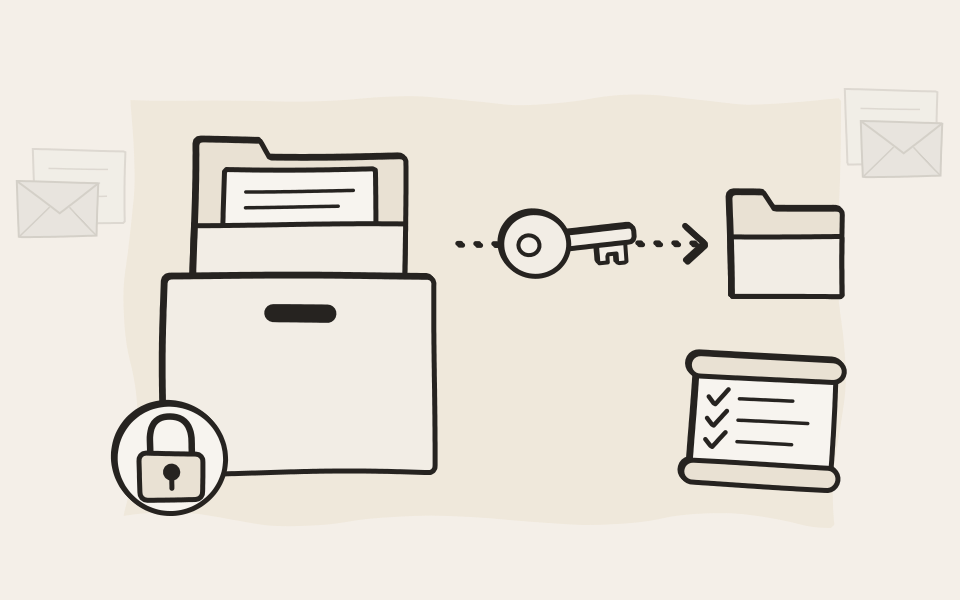
Everything about a matter, in one search
Mail, scanned letters, call recordings and the files on your shares land in one archive. A script on the way in can find the matter number in a subject line and tag the message with it, and EMA Scan can fill it in for paper. A SMART Link in your practice software opens every record of a matter with one click.
How SMART Link works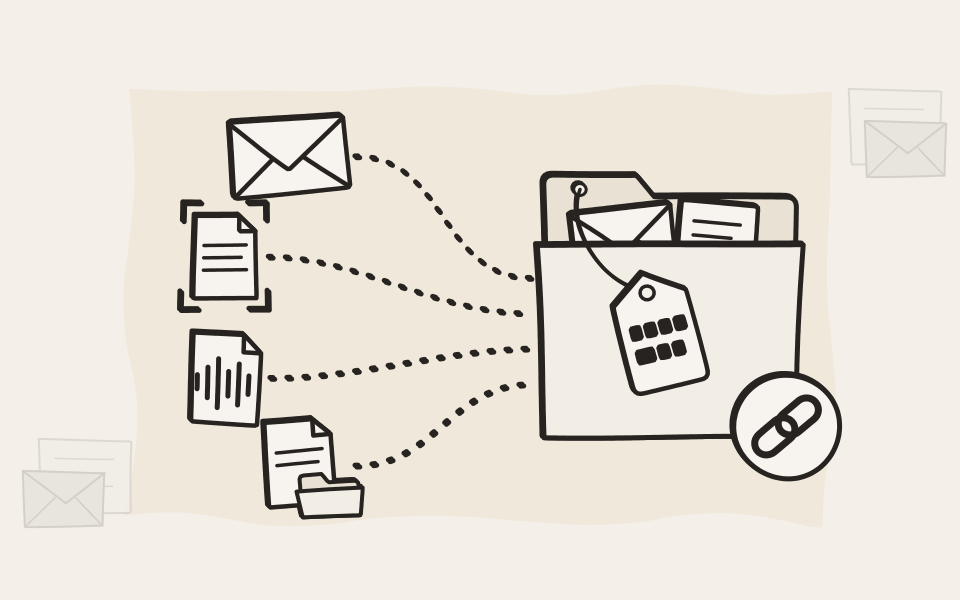
To the court as one PDF
Filings go to the court as PDF, through e-filing. Search, check the emails that matter, and EMA lays them out for printing, headers included, as one PDF. PDFs and Office documents go over as the originals. Each one still carries the signature it got on the day it was archived.
eDiscovery and legal hold
When a partner leaves, the files stay
Client files have to outlast the people who worked on them, for as long as the rules that apply to your firm require. When someone leaves, their archived mail stays exactly as it was. An administrator gives the successor access to the account, and they search it under their own name, with no old mailbox kept alive on the mail server.
See EMA Mail
Questions from law and tax firms
How long do we have to keep client files?
As long as the rules that apply to your firm require, and EMA can hold every file at least that long. For law firms, your state's version of ABA Model Rule 1.15 sets how long client trust account records are kept. CPA firms and tax firms follow their own rules. Set a minimum retention period in EMA, and nothing younger can be deleted by anyone. Deletion policies then remove what has passed its retention period.
Can partners see each other's mail?
Only if you set it up that way. Everyone sees their own archive. Assistants and teams get more through delegates or Active Directory groups, down to single rights and date ranges, and every search and export goes into the Audit Log.
May we use an outside provider at all?
Firms do, with care. For lawyers, ABA Model Rule 1.6(c) asks for reasonable efforts to prevent unauthorized access to client information (your state's version applies). You can run EMA on your own premises, or in EMA Cloud, in an EMA of your own that waits for your master key after every restart.
We keep the books for clients. Who is responsible for their records?
Your clients stay responsible for their own records, even when you keep their books. EMA helps both sides. Invoices and receipts are archived as they arrive, signed and unchanged, and found again in one search when an auditor asks.
Can we find everything for one client at once?
Yes. Tag mail, scans and files with the client or matter number as they come in, by script, by EMA Scan or from your file share's folders, and one search brings it all back. A SMART Link in your practice software does the same with one click.
Is EMA priced per user?
Not per user. You pay for the modules you need, with no limit on mailboxes or documents, on premises and in EMA Cloud alike.
Where is our data kept?
Where you choose. On EMA On-Premise it stays in your own server room, on your own storage or on VSTOR Vault. EMA Cloud stores your archive only in US data centers, in an EMA of your own, encrypted with your own keys.

Bring your toughest matter
Tell us how your firm files mail, scans and documents today. We'll show you in a demo how EMA keeps them confidential and finds a whole matter at once.